NHTSA Wants to Drop Two Crash Tests and Push Back New Safety Ratings
If you check government star ratings before you buy a car, the program behind those stars is about to change. Today, October 16, 2026, is the last day for public comments on a National Highway Traffic Safety Administration (NHTSA) proposal that would retire two long-running tests in the New Car Assessment Program (NCAP) and push back several new ratings that safety advocates have been waiting for. For families shopping for a car in DuPage County, it affects what the window sticker can tell you for years to come.
Two older tests would be retired
NHTSA’s notice, published in the Federal Register on August 17, 2026 (docket NHTSA-2026-1651), proposes removing:
- The dynamic rollover “Fishhook” test. This maneuver mimics a panicked driver jerking the wheel to dodge something in the road. NHTSA says electronic stability control, now required on light vehicles, has made it pointless: no vehicle has tipped up in NCAP’s Fishhook tests in the past 15 years. The agency would rely on the stability control standard’s own test starting with model year 2027. It would keep posting rollover ratings, based on a vehicle’s measured stability, on its website and the Monroney window sticker.
- Side airbag “out-of-position” testing. This checks how side airbags behave when an occupant, such as a child, is sitting in the wrong spot. NHTSA says the program has met its original goals.
Newer ratings would take longer
The bigger news for drivers is the updated 10-year roadmap, which now runs from 2026 to 2035. According to the notice:
- A rating system for crash avoidance technologies would be delayed by one year, and updated ratings for crashworthiness, pedestrian safety and overall safety by two years. NHTSA cites resource constraints.
- Driver monitoring for drowsiness is now expected to enter NCAP starting with model year 2036.
- Driver monitoring for distraction has been left out of the proposed roadmap while NHTSA gathers more information.
- Intelligent speed assist is slated for implementation in 2035.
- The comment process for enhanced lane keeping assist has been postponed by two years.
What this means for you
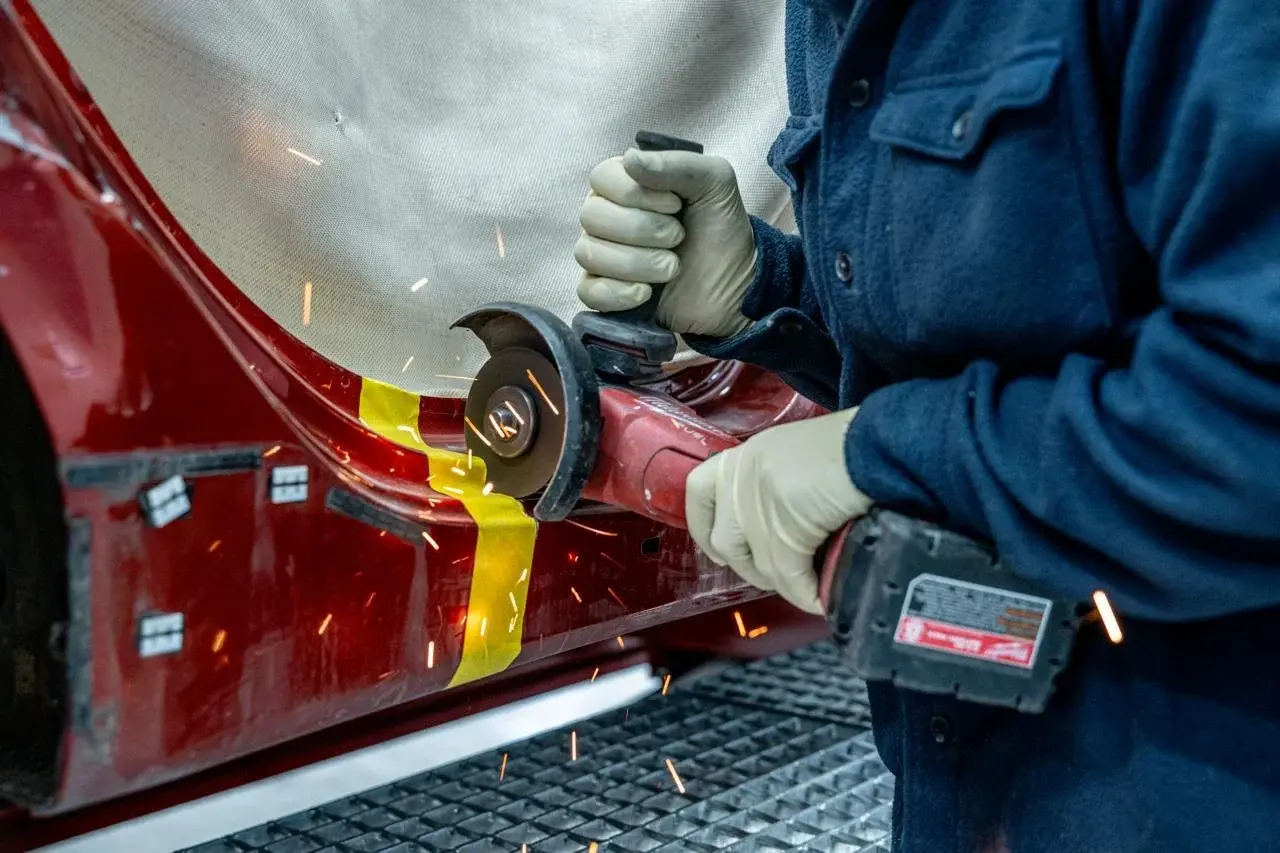
Here’s our take. Crash ratings measure how a car protects you, but they don’t tell you what that protection takes to put back together after a hit. On many newer vehicles, the cameras and sensors behind features like automatic emergency braking and lane keeping sit in bumpers, mirrors and windshields, which are exactly the parts that take the damage in everyday fender benders on Roosevelt Road or in a Naperville parking lot.
- Don’t stop at the stars. When you shop, look at which driver-assistance features a model has and how they performed, not just the overall rating.
- Know where your sensors are. Your owner’s manual shows where cameras and radar units are mounted. A “small” bumper hit can affect them.
- Get damage looked at promptly. If a warning light comes on after a bump, or a safety feature stops working, have it checked instead of driving around with it.
- Have your say. Comments on the proposal are due today through regulations.gov under docket NHTSA-2026-1651.
Our team at EZ Tech Paintless Dent Removal & Collision sees the aftermath of everyday crashes across Chicagoland, from door dings we fix with paintless dent repair to structural collision work. Whatever the government’s test schedule looks like, we’ll show you the damage and walk you through your options. This article is general information, not legal advice.
Sources: NHTSA, “New Car Assessment Program (NCAP); Removal of Dynamic Rollover Resistance Test and Side Air Bag Out-of-Position Testing; Updates to NCAP’s 10-Year Roadmap,” Federal Register, August 17, 2026; Docket NHTSA-2026-1651, Regulations.gov; SDV Sector, “Two safety groups told NHTSA its proposed rating roadmap drops distraction monitoring.”
Related services
Was your car damaged? Get your free quote or call us toll-free at (833) 439-8324.