Utah’s 0.05 BAC Limit Linked to Fewer Alcohol Crashes: What It Means for Illinois Drivers
A new study from the Insurance Institute for Highway Safety (IIHS), released October 27, 2026, found that Utah’s stricter drunk-driving limit was associated with a lasting drop in alcohol-related crashes. Utah is the only U.S. state that sets its legal blood alcohol concentration (BAC) limit at 0.05%. Illinois, like the rest of the country, uses 0.08. With Halloween falling on a Saturday this week, it is a good moment for DuPage drivers to look at what the research says and what it means for the trip home.
What the IIHS study found
Utah lowered its BAC limit for impaired driving from 0.08% to 0.05% in December 2018; the law took effect on December 30, 2018. IIHS researchers Angela Eichelberger and Scott Tippetts analyzed the first four years of crash data after the change. According to IIHS:
- Nearly 9% fewer alcohol-related crashes. The stricter limit was associated with a reduction of nearly 9% in alcohol-related crashes over the next four years.
- Injury crashes dropped too. The percentage of injury crashes involving alcohol fell 12%.
- Better than its neighbors. Compared with Arizona, Colorado and Idaho, where the rate of alcohol-involved crashes increased, the share of Utah crashes involving alcohol dropped 12% to 21%.
- The pandemic spike faded. Alcohol-involved crashes in Utah jumped 46% in March through May 2020 during the COVID-19 lockdown, but the increase was short-lived.
IIHS is clear about the limits of the study. Utah has long had one of the lowest rates of alcohol-involved crashes in the country, the law was heavily publicized more than a year before it took effect, and the pandemic hit in the middle of the study period. The researchers say those factors prevent them from pinning down the exact size of the effect. Results for single-vehicle nighttime crashes were inconclusive.
“Crash risk increases with the amount of alcohol in your system, but it spikes noticeably at 0.05%,” IIHS President David Harkey said.
How we got to 0.08, and why 0.05 keeps coming up
IIHS notes that a 0.08% limit only became universal in 2005, after the U.S. Department of Transportation tied it to certain federal highway funds. In 2013, the National Transportation Safety Board recommended that states lower their limits to 0.05%, arguing that a BAC at that level significantly impairs depth perception and slows reaction time. IIHS also notes that most industrialized nations have set a limit of 0.05% or lower. Harkey said more than 10,000 people die in alcohol-related crashes in the U.S. every year.
In Illinois, the law has not changed. Under 625 ILCS 5/11-501, it is illegal to drive with a BAC of 0.08 or more. The same section separately makes it illegal to drive while under the influence of alcohol, and tougher penalties apply at 0.16 or higher.
What this means for you
Here’s our take: the study is about Utah, but the lesson is the same in Naperville, Glen Ellyn, Wheaton or anywhere else in DuPage County. Impairment does not start at the legal line. If you have been drinking, the number on a breath test is not the only thing that matters. A few practical points for this Halloween weekend and the holiday season ahead:
- Plan the ride home first. Pick a sober driver, a rideshare or a place to stay before the party starts, not after.
- “Under 0.08” is not a safety rating. Illinois law separately prohibits driving while under the influence of alcohol, not only driving at 0.08 or more. If you feel buzzed, do not drive.
- Watch for others. Give extra space to vehicles drifting between lanes or braking late, and if you see a driver who appears impaired, get to a safe spot before calling 911.
- If someone hits you, document it. Take photos of both vehicles and the scene, exchange driver’s license, registration and insurance information, and follow Illinois State Police crash-report rules. Then check your policy and talk with your insurer about how a repair is handled.
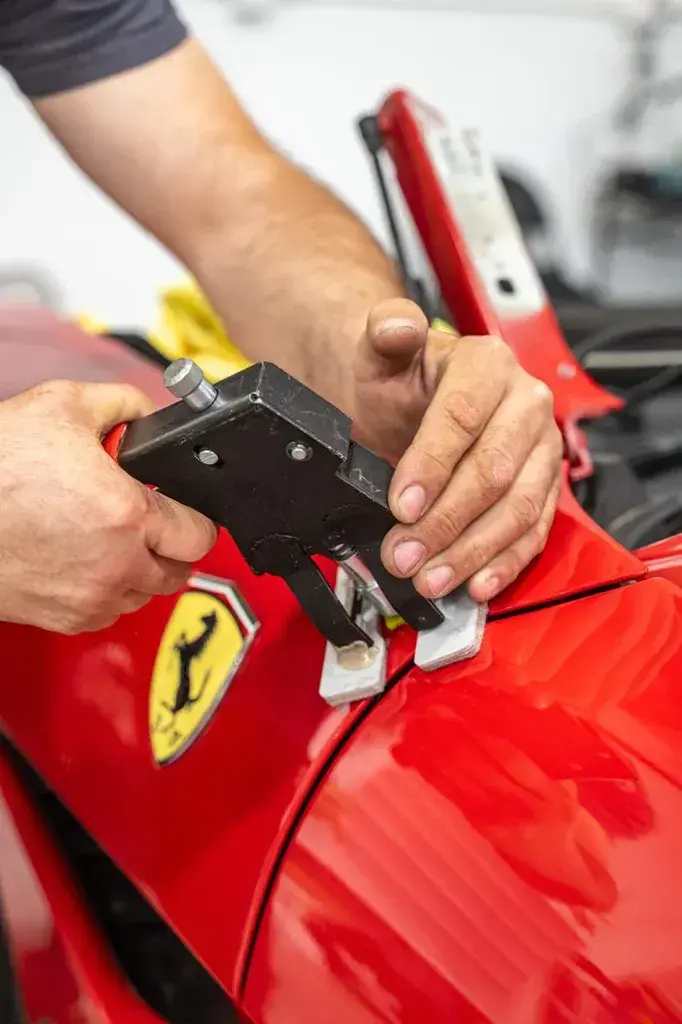
- Look past the obvious damage. A low-speed hit can affect the bumper, hood, fenders and lights. A dent where the paint is still intact is often a candidate for paintless dent repair, while cracked paint or a torn bumper usually needs collision repair. An inspection decides which fits.
For local enforcement dates this weekend, see our Halloween DUI patrols update, and with clocks falling back on November 1, read our darker commutes guide. Our team at EZ Tech Paintless Dent Removal & Collision is happy to take a look at any damage and walk you through your options. This article is general information, not legal or insurance advice.
Sources: Insurance Institute for Highway Safety, “Utah’s stricter alcohol limit linked to lasting drop in alcohol-related crashes” (October 27, 2026); Tippetts and Eichelberger, IIHS, “Extended evaluation of the effects of Utah’s 0.05% BAC per se law on crashes” (October 2026); Illinois General Assembly, 625 ILCS 5/11-501; Illinois State Police, “Crash Reports.” Accessed October 28, 2026.
Related services
Got a dent or a damaged bumper after the weekend? Get your free quote or call us toll-free at (833) 439-8324.