NHTSA Moves to Update Federal Tire Safety Standards: What DuPage Drivers Should Know Before Winter
The National Highway Traffic Safety Administration (NHTSA) announced on October 26, 2026, that it is modernizing the federal tire safety standards, the first major overhaul in more than two decades, according to the agency. The next day, NHTSA published a notice in the Federal Register laying out how it plans to do it and opening a public comment period. Nothing changes on your car this winter, but it is a good reminder that tires matter, especially as cold weather settles over Naperville, Glen Ellyn and the rest of DuPage County.
What NHTSA announced
According to NHTSA, the update focuses on two areas:
- Modernizing safety tests. NHTSA wants to update testing methods such as tire strength, rim resistance and endurance so they line up with current road conditions and modern tire technology.
- Evaluating new technologies. The agency plans to set safety rules for new designs like airless (puncture-proof) tires, modernize the markings on tire sidewalls and review weight limit guidelines for trucks and SUVs.
“As American tire technology and vehicle design continue to evolve, our regulatory framework must keep pace,” NHTSA Administrator Jonathan Morrison said.
How the rulemaking will work
Instead of writing a proposal on its own first, NHTSA is using a process called negotiated rulemaking. The October 27 Federal Register notice says the agency intends to form a Negotiated Rulemaking Advisory Committee for Tire Safety with up to 18 members from tire makers and retailers, automakers, industry associations, safety groups, research and testing organizations, and engineering and standards bodies.
The notice says the committee would review the tire strength (plunger energy) test, the bead unseating resistance test and the tire endurance test in the current standards, known as FMVSS Nos. 109, 119 and 139. It would also look at non-pneumatic (airless) tires, updated tire markings and a request to cover Load Range F light truck tires. The committee is expected to meet about four times a year for up to two years. If it reaches consensus, NHTSA would then publish a proposed rule for public comment.
Comments on the plan and applications for committee membership are due November 27, 2026, under Docket No. NHTSA-2026-1717 at Regulations.gov.
Why tires matter in a Chicagoland winter
NHTSA’s own numbers show what is at stake. The agency reports that 511 people died in tire-related crashes in 2024. Winter roads add to the risk: NHTSA estimates that 131,698 police-reported crashes happened during snow or sleet conditions in 2024, including 365 fatal crashes and an estimated 24,383 injury crashes.
Cold weather also works against your tires directly. NHTSA notes that as the outside temperature drops, so does tire inflation pressure. On cold mornings, the tire pressure warning light may come on and then turn off as the tires warm up, which NHTSA says is likely a sign of marginally low pressure that you should check.
What this means for you
Here’s our take: the federal rules will take time, but a few minutes in your driveway this week can help. Based on NHTSA’s guidance:
- Check pressure monthly, when the tires are cold. That means the car has not been driven for at least three hours. Use the pressure on the label on the driver’s side door frame or in the owner’s manual, not the maximum printed on the tire.
- Do the penny test. Place a penny in the tread with Lincoln’s head upside down. If you can see the top of his head, it is time for new tires. NHTSA says tires should be replaced when tread is worn to 2/32 of an inch.
- Do not ignore the dashboard light. Passenger cars, light trucks and vans from model year 2008 and newer are required to have a tire pressure monitoring system, but NHTSA says it only warns when a tire is significantly underinflated.
- Think about the season. NHTSA notes that winter tires are more effective than all-season tires in deep snow, and summer tires are not designed for temperatures below freezing.
- Check for tire recalls. Tires get recalled too, and NHTSA lets you search tire recalls on its website.
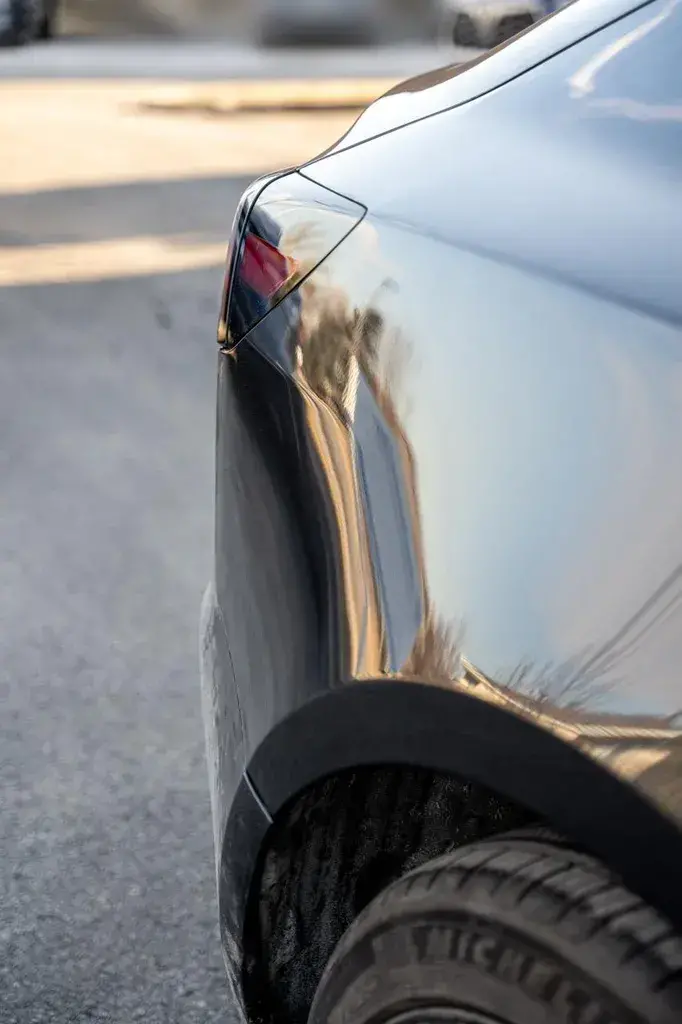
- Look at the body, too. NHTSA warns that a tire can suddenly lose pressure after a pothole or a curb strike. The same bump can leave a dent in a fender, a scuff on a bumper or a crease near the wheel arch. Have the tire and wheel checked first. If the paint is still intact, a dent is often a candidate for paintless dent repair, while cracked paint or a torn bumper usually needs collision repair. An inspection decides which fits.
For more on the season ahead, see our NOAA winter outlook update and our darker commutes guide. Our team at EZ Tech Paintless Dent Removal & Collision is happy to take a look at any damage and walk you through your options. This article is general information, not legal or insurance advice.
Sources: National Highway Traffic Safety Administration, “Trump’s Transportation Department Moves to Modernize Tire Safety Standards, Deliver Safer American Roads” (October 26, 2026); Federal Register, “Notice of Intent To Establish a Negotiated Rulemaking Advisory Committee for Tire Safety” (October 27, 2026); NHTSA, “Tire Safety Ratings and Awareness (TireWise)”; NHTSA, “Winter Weather Driving Tips.” Accessed October 29, 2026.
Related services
Hit a pothole or a curb and left with a dent? Get your free quote or call us toll-free at (833) 439-8324.