What is PDR? Paintless Dent Repair (PDR) is an advanced, cost-effective, and eco-friendly method of removing minor dents, dings, and creases from a vehicle’s body without the need for fillers, sanding, or repainting. As an industry-leading technique, PDR preserves the factory finish of your car while delivering flawless results in a fraction of the time of traditional body shop repairs.
If you’ve ever dealt with hail damage, parking lot dings, or minor collisions, you know how frustrating car dents can be. Fortunately, PDR offers a superior alternative to conventional repair methods. In this guide, I’ll explain how does Paintless Dent Repair work, its benefits, and why it stands out from other repair options.
How Does Paintless Dent Repair Work?
Paintless Dent Repair (PDR) is a refined, non-invasive technique that restores a vehicle’s body to its original condition—without fillers, paint, or heavy machinery. Unlike traditional bodywork, which alters the car’s structure, PDR works with the metal, carefully coaxing it back into place. Here’s how the process unfolds in the hands of a skilled technician:
- Inspection & Assessment – Is PDR the Right Solution?
Before any work begins, the technician conducts a thorough evaluation. Not all dents qualify—deep creases, sharp edges, or cracked paint often need conventional repair. But for shallow dings, hail damage, or smooth depressions, PDR is the ideal fix. The goal? Determine if the metal can be reshaped without compromising the factory finish.
- Gaining Access – The Key to Precision Work
Since PDR works from behind the dent, the technician must reach the backside of the panel. This might involve:
- Removing interior trim, taillights, or door panels.
- Using existing access points (like wheel wells or gaps between panels).
- If direct access isn’t possible, a glue-pull method may be used, where specialized tabs gently lift the dent from the outside.
This step is crucial—proper access ensures controlled, damage-free repair.
- The Art of Metal Manipulation – Restoring the Original Shape
With the right entry point secured, the technician uses precision tools to methodically massage the dent from the inside. This isn’t brute force; it’s a calculated process of applying gradual pressure to guide the metal back to its original contour.
- Why skill matters: Too much force can stretch the metal, creating a new problem. Too little, and the dent remains. A seasoned PDR expert knows exactly how much pressure to apply and where.
- The result: The dent disappears, and the panel returns to its factory shape—no fillers, no sanding, no repainting.
- Final Refinement – Ensuring a Flawless Finish
Even after the dent is gone, the work isn’t done. Under bright LED lighting, the technician meticulously inspects the repair area, making micro-adjustments to ensure:
- No high or low spots remain.
- The body lines match perfectly.
- The paint remains untouched—no cracks, no fractures.
Since PDR preserves the original paint, your car retains its factory finish and resale value.
Advantages of Paintless Dent Repair
Why choose paintless dent repair over traditional methods? Here are the key benefits:
✔ Cost-Effective – PDR is typically 50-70% cheaper than conventional repairs since it eliminates the need for paint and labor-intensive bodywork.
✔ Time-Saving – Most PDR jobs take between 30 minutes to a few hours, compared to days (or even weeks) in a body shop.
✔ Preserves Factory Paint – Since no sanding or repainting is involved, your car’s original finish remains intact, maintaining its resale value.
✔ Eco-Friendly – PDR produces no harmful fumes, paint waste, or filler materials, making it a sustainable choice.
✔ Insurance-Friendly – Many insurance companies prefer PDR because it’s faster and more economical.
Where Can PDR Be Used? Common Repair Areas
One of the biggest advantages of Paintless Dent Repair (PDR) is its versatility. Unlike traditional bodywork, PDR can be performed on nearly any smooth, accessible metal surface of a vehicle—as long as the paint is intact. Here are the most common areas where PDR excels, with detailed explanations of each repair type:
Fenders frequently suffer from dings caused by road debris, minor collisions, or parking lot incidents. PDR technicians use specialized rods to access the dent from behind the wheel well or inner fender liner. The aluminum or steel is carefully massaged back to its original contour without affecting the paint's structural integrity. This method is particularly effective for shallow dents up to 6 inches in diameter.
Hood dents typically result from hail storms, falling branches, or minor impacts. Since most hoods have reinforced bracing underneath, PDR specialists use precision tools to work through access points near the hinges or grille area. The repair process maintains the factory paint finish while restoring the panel's structural rigidity. Aluminum hoods require extra care due to their softer nature but can be successfully repaired using modified PDR techniques.
Roof damage is commonly caused by hail or low-clearance incidents. Technicians use long, flexible tools inserted through door jambs or sunroof openings (if equipped) to push dents outward. This area often requires glue-pulling methods for severe dents, where specialized tabs are adhered to the surface and used to gently pull the metal back into shape. The roof's double-layer construction in modern vehicles makes some repairs challenging but not impossible for experienced PDR professionals.
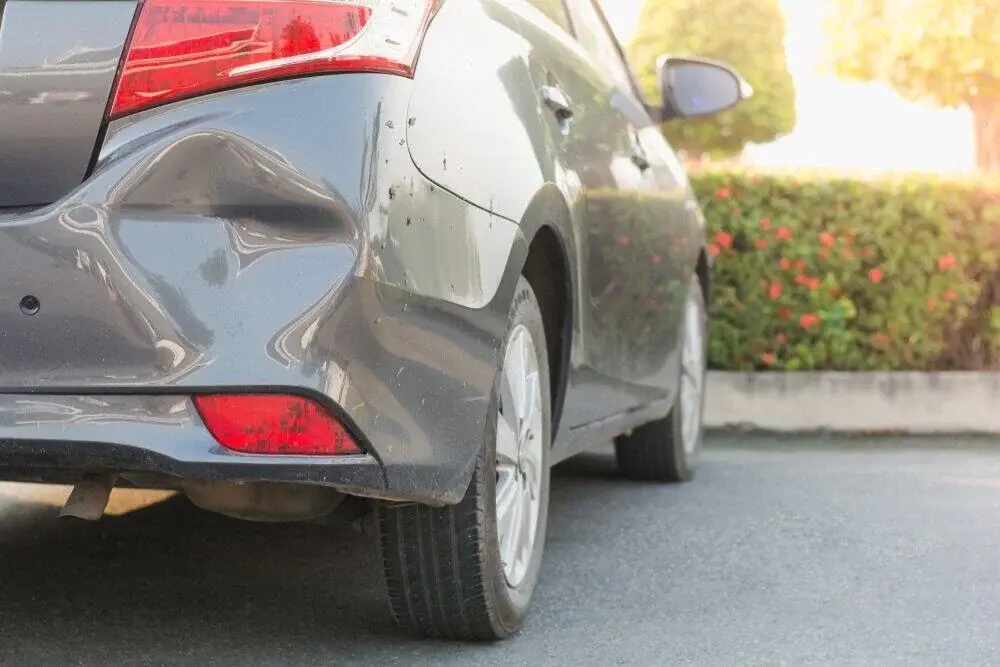
Trunk lids accumulate dents from rear-end taps, falling objects, or careless loading. PDR technicians access the damage by removing interior trim panels or working through tail light openings. The repair process carefully accounts for the trunk's curvature and any reinforcement beams beneath the surface. Unlike conventional methods, PDR preserves the factory paint and eliminates the risk of color mismatch that often occurs with repainting.
Door dings from parking lots are among the most frequent PDR jobs. Technicians remove the door panel or use special tools through window openings to push dents from behind. Modern doors with side impact beams require strategic tool placement, and some vehicles may need window regulators temporarily lowered for proper access. PDR is particularly valuable here as it avoids disturbing factory rustproofing treatments or door seals.
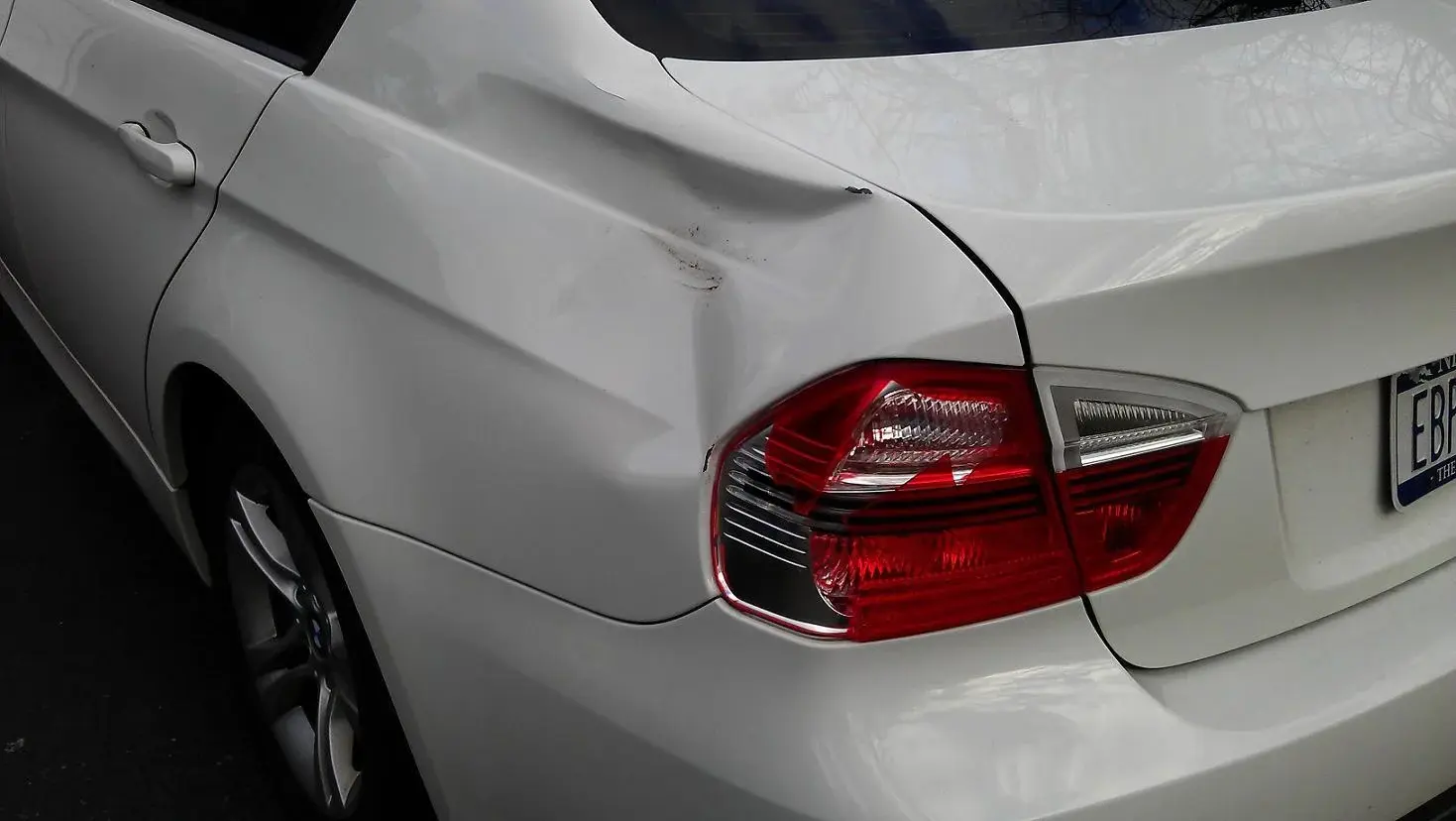
Quarter panels present unique challenges due to their complex curves and limited access points. PDR specialists use a combination of pushing tools and strategic tapping to restore the metal's shape, often working through trunk or wheel well openings. Severe damage near welded seams may require partial disassembly, but most minor to moderate dents can be repaired without compromising the vehicle's structural integrity or factory corrosion protection.
How PDR Differs from Traditional Dent Repair
Unlike conventional auto body repair, which involves sanding, filling, and repainting, PDR car repair focuses on restoring the metal itself. Here’s a quick comparison:
Factor | Paintless Dent Repair (PDR) | Traditional Body Shop Repair |
Paint Preservation | Preserves factory paint (no repainting needed) | Requires repainting (color matching challenges) |
Repair Time | 30 min – few hours (same-day service) | 3-5 days (drying/curing time required) |
Cost | 50-70% cheaper (no materials/labor for painting) | More expensive (paint, filler, labor costs) |
Metal Integrity | No weakening of metal structure | Filler can trap moisture, potential rust risk |
Environmental Impact | Zero waste (no chemicals/paint) | Hazardous waste (paint fumes, filler disposal) |
Resale Value | Maintains factory finish (higher value) | Repainted panels may reduce value |
Dent Types | Best for smooth, shallow dents (hail, door dings) | Required for sharp creases/cracked paint |
Warranty Impact | Often preserves factory warranties | May void paint warranties |
Longevity | Permanent repair (metal returned to original shape) | Fillers may shrink/crack over time |
Tool Marks | Leaves no visible traces when done properly | Sanding marks may be detectable |
Process | Metal reshaping through precise massage | Filling, sanding, painting process |
Skill Requirement | Highly trained technician needed | Standard body shop techniques |
Insurance | Often preferred by insurers (lower cost) | Typically used for major damage claims |
Corrosion Risk | None (no paint/filler to trap moisture) | Potential for future rust issues |
Temperature Sensitivity | Can be performed in any weather | Paint requires controlled environment |
Vehicle Downtime | Minimal (often while-you-wait service) | Significant (multiple visits often needed) |
PDR is ideal for small to medium dents caused by hail, door dings, or minor collisions. However, severe damage with cracked paint may still require conventional methods.
Is PDR Right for Your Car?
While paintless dent repair is revolutionary, it’s not a one-size-fits-all solution. The best candidates for PDR are:
✔ Small to Medium Dents – Golf ball-sized dents, hail damage, and door dings are ideal.
✔ Intact Paint Surface – If the paint is chipped or cracked, traditional repair may be needed.
✔ Accessible Dents – The technician must reach the back of the panel for proper repair.
For major collisions or severe damage, a body shop might be necessary. However, in over 80% of cases, PDR is the smarter, more efficient choice.
Trust the Experts in Paintless Dent Repair
Since 2016, E-Z Tech has been providing top-tier PDR services in Chicago, Illinois. Our team of certified technicians uses advanced techniques to restore your vehicle quickly and affordably—without compromising quality.
If you’re dealing with dents and want a fast, cost-effective, and eco-friendly solution, PDR is the answer.
Contact E-Z Tech today and let us bring your car back to its original glory!
Andrei Slutu
Owner & Lead PDR Technician
E-Z Tech – Chicago, IL