Short answer: sometimes, yes.
A car with bumper damage is not automatically unsafe to move. If the damage is limited to light scuffs, paint transfer, or a shallow dent in the plastic, you may be able to drive it for a short time while you arrange repairs. That said, the real answer depends on more than appearance.
Modern front and rear bumpers do a lot more than cover the ends of the car. They can house brackets, impact-absorbing material, reflectors, plate lights, parking sensors, radar components, and camera-related hardware. A bumper that “just looks cracked” can also be loose, misaligned, or interfering with safety systems.
If the bumper is hanging, rubbing a tire, blocking lights, hiding the license plate, or throwing sensor warnings, it is time to stop treating it like cosmetic damage and get it checked.
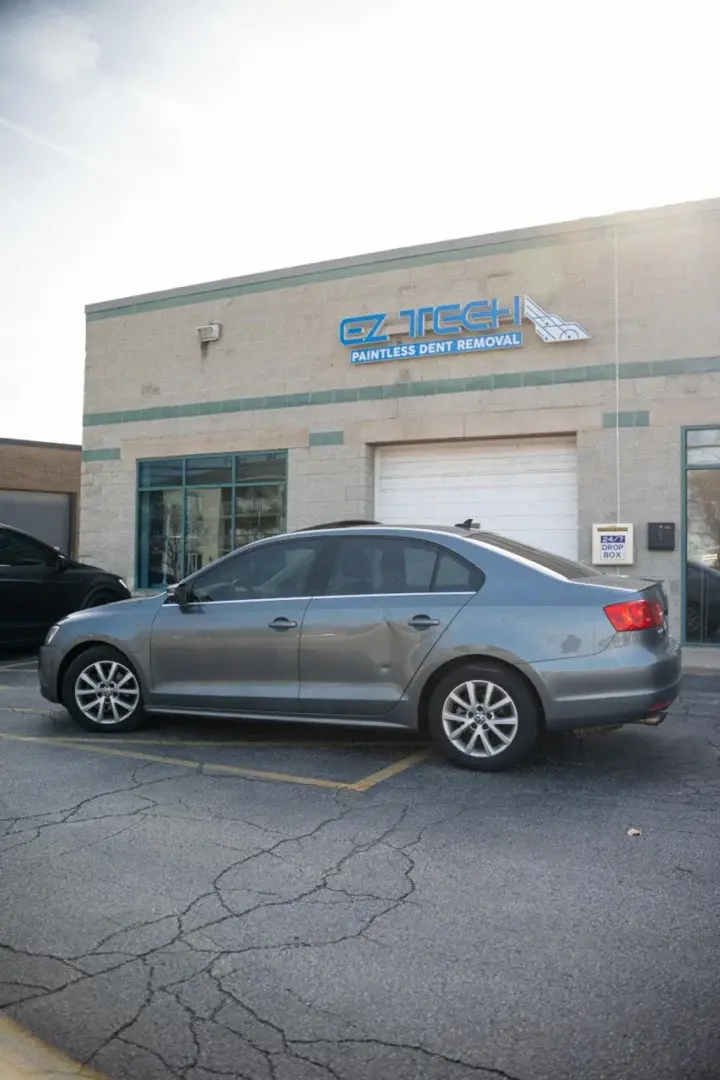
When bumper damage is safe to drive and when it is not
Federal bumper rules were created to limit damage in low-speed impacts on passenger vehicles. That helps explain why some minor bumper hits leave a car drivable. Still, those rules do not mean every damaged bumper is fine to keep using.
What matters most is whether the bumper is still attached correctly, whether lighting and plate visibility are normal, and whether any sensor or radar features were affected. Shops that handle front and rear bumper repair usually judge damage by fitment, cracks, mounting points, and hidden issues behind the cover, not by looks alone.
A small scrape on a properly mounted bumper is very different from a bumper cover that has popped loose on one side. The second one can shift at speed, catch air, or pull farther away from the body.
After a quick visual check, this table gives a practical way to think about it:
| Bumper condition | Usually okay for a short drive? | Why it matters |
|---|---|---|
| Light scuff or paint transfer only | Often yes | Mostly cosmetic if fitment is normal |
| Small dent in plastic, no cracks, no warning lights | Often yes | Damage may be limited to the cover |
| Cracked bumper cover but firmly attached | Maybe | Crack can spread, and hidden mounts may be damaged |
| Loose corner or sagging bumper | No | Can detach more, drag, or affect adjacent panels |
| Broken tail light, reflector, or license plate light | No | Lighting and visibility problems can create safety and legal issues |
| Sensor or parking assist warning after impact | No | Bumper-mounted systems may no longer read correctly |
| Bumper rubbing tire or wheel liner | No | Risk of tire damage and loss of control |
| Misaligned bumper with wide panel gaps | Usually no | Points to broken mounts or damage underneath |
Unsafe bumper damage signs drivers should not ignore
A damaged bumper becomes a driving problem when it affects safety equipment, creates a hazard, or suggests hidden structural damage. This is especially true after a front-end hit, where the bumper area may also involve grille shutters, radar mounting, splash shields, and trim pieces that help manage airflow and cooling.
State rules vary, but safety programs commonly focus on proper mounting and intact lighting. Broken lenses, loose lamps, and plate light issues are not just appearance problems. Rear bumper damage can also shift the license plate area enough to make it hard to read, especially at night.
Watch for these signs before you keep driving:
- Loose fitment: One side sticks out, sags, or moves when touched
- Cracks through the plastic: More than a surface scratch or paint mark
- Lighting damage: Tail lights, reflectors, or license plate lights are broken or missing
- Sensor warnings: Parking sensors, blind spot alerts, or collision alerts show faults
- Wheel interference: The bumper or liner rubs the tire while turning
- Changed panel gaps: The bumper no longer sits evenly against the fender, quarter panel, trunk, or hood
- Exposed wiring: Harnesses, plugs, or sensor mounts are visible behind the cover
If you notice any of those issues, it is smarter to arrange an inspection than to guess. A shop that handles collision repair services can tell whether the damage is limited to the cover or whether brackets, reinforcements, or related parts were hit too.
Bumper sensors, radar, and ADAS issues after a minor crash
This is where a lot of drivers get surprised.
On many newer vehicles, the bumper area supports features tied to parking assist, blind spot monitoring, cross traffic alerts, and front collision systems. NHTSA has clear consumer information on how these driver assistance technologies work, and why their sensors and cameras matter in day-to-day driving.
A bumper can look usable and still have a sensor problem. A hard tap in a parking lot may not tear the cover, but it can knock a sensor out of position, distort a mounting bracket, or change the angle of a radar unit just enough to trigger false readings or warning lights. That is one reason many repairs after a front or rear hit include checks for sensor function and, when needed, ADAS calibration.
If your dashboard starts showing parking assist or collision system messages after bumper damage, do not assume the car is “basically fine.” The vehicle may still move, but the safety tech may not be giving accurate information.
Bumper repair vs bumper replacement after damage
Not every damaged bumper needs to be replaced. Many plastic bumpers can be repaired when the damage is limited and the structure is still sound. Shops often use plastic welding, reshaping, and refinishing when the bumper cover is intact enough to save.
That is also why getting an estimate matters before you make assumptions. A bumper that looks rough may still be repairable, while a bumper with only moderate visible damage may need replacement if the tabs, mounts, or sensor zones are distorted. If the damage is minor and mostly surface-level, dent and scratch repair may be part of the fix. If the bumper has shifted out of place, full bumper repair becomes the better path.
Repair is more likely when you see:
- Surface scuffs
- Paint transfer
- Shallow dents in the plastic
- Secure mounting tabs
- Normal panel gaps
- No sensor warnings
Replacement becomes more likely when you see broken mounting points, torn edges, deep cracks, or damage around sensor openings. If you want a more detailed breakdown, this related article on when a bumper can be repaired instead of replaced is useful.
What to do before driving a car with bumper damage
A quick self-check can help you decide whether the car can make it to a repair shop or whether it should stay parked. Keep it simple. You are not trying to diagnose the whole repair, just trying to avoid making the problem worse.
If the bumper damage happened in a collision that also affected steering, braking, airbags, or cooling, skip the self-check and arrange a tow. The bumper may only be one part of a bigger issue.
Before driving, check these items:
- Look underneath: Make sure no plastic, brackets, or splash shields are hanging down.
- Test the lights: Confirm tail lights, brake lights, turn signals, reflectors, and plate lights are working and visible.
- Check wheel clearance: Turn the wheel both ways and make sure nothing rubs.
- Watch the dash: If sensor, camera, or collision warnings appear, plan for inspection before regular driving.
- Take photos and request an estimate: A fast car damage inquiry can help you get direction before the damage spreads.
A temporary tape fix may hold a loose edge for a very short, careful trip, but it does not restore proper mounting or sensor alignment. Think of it as a stopgap, not a solution. As Kwik Kar Richardson points out, post-impact vibrations or a car that pulls to one side can indicate a knocked-out wheel alignment rather than a simple balance issue, a distinction detailed in their overview of wheel alignment vs. tire balance.
Bumper repair options in Naperville, Glen Ellyn, and Downers Grove
For drivers around the western suburbs, getting the bumper looked at quickly can save time and money. A small issue caught early might stay a repair. A loose cover left alone can turn into broken tabs, damaged paint on nearby panels, or sensor problems that raise the repair bill.
EZ Tech offers bumper and collision repair support through its Naperville location, Glen Ellyn location, and Downers Grove location. That matters if you are trying to figure out whether the bumper needs a simple fix, a sensor check, or a full replacement after a low-speed hit.
Minor bumper scratches and small dents can often be repaired within a few days, and loaner vehicle options may help if the car is not a good candidate to keep driving while you wait. If the damage looks minor but the fitment is off, ask for an inspection anyway. Hidden cracks and broken mounts are common after parking lot bumps, curb strikes, and low-speed rear-end hits.
A damaged bumper is sometimes drivable, but only when it stays securely mounted, leaves all required lights and the plate visible, and has not affected sensor or radar function. If you are unsure, a quick inspection is the safer call than treating a loose or misaligned bumper like a cosmetic nuisance.