Hail damage should usually be checked right away, reported quickly if you may file a claim, and repaired fast when the storm has chipped paint or cracked glass.
If the dents only affect the metal and the paint is still intact, you may have a little breathing room, but waiting too long can still cost you. A delay can make insurance paperwork harder, leave you sorting out pre-existing damage questions, and in some cases turn a mostly cosmetic problem into a larger repair.
Why fast hail damage repair matters
Not every hail dent is an emergency, but every hail-damaged vehicle should be inspected soon after the storm. Insurance guidance commonly says to report hail damage as soon as possible or as soon as you become aware of it. That matters because hail claims often stack up after major storms, and repair schedules can fill fast.
There is also a practical reason to move quickly. Small dents on the hood, roof, decklid, and upper door panels may look minor at first, yet they can affect resale value and lease return condition. If the storm chipped paint, exposed metal can start corroding. If glass cracked, the damage can spread with heat, vibration, and normal driving.
AAA notes that chipped paint should be refinished to help prevent rust, and cracked windshields should be addressed quickly because the glass may no longer be structurally sound enough to do its job. You can read AAA’s hail guidance here: AAA Automotive hail damage article.
After you’ve taken a first look, these are the issues to prioritize:
- Cracked windshield or back glass
- Chipped paint exposing metal
- Broken mirrors or lights
- Damage around roof rails or panel edges
- Large dents that distort the panel shape
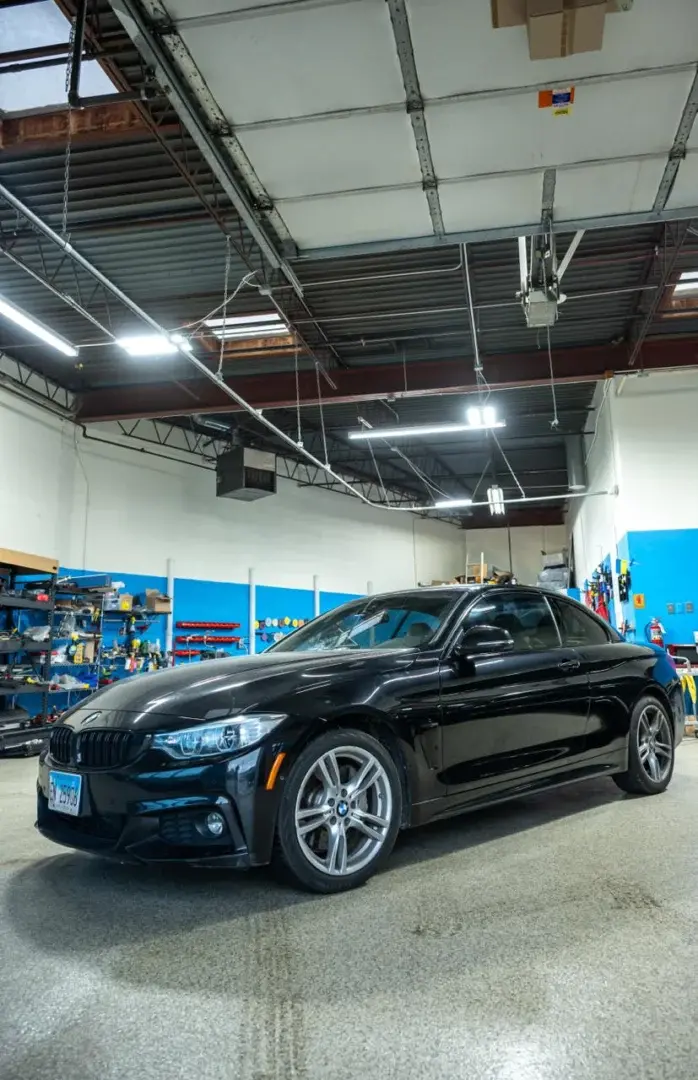
Hail damage repair timeline by damage type
A good rule is simple: inspect now, report soon, and repair based on severity. The table below shows how that usually breaks down.
| Damage type | How soon to inspect | How soon to report or repair | Why timing matters | Likely repair path |
|---|---|---|---|---|
| Small dents with intact paint | Within 1 to 3 days | Report soon if filing a claim, repair as shop schedule allows | Helps document storm-related damage and keep options open | Paintless dent repair |
| Moderate hail dents across multiple panels | Within 1 to 3 days | Report soon, schedule repair early | Shops book up after storms and claim delays can get messy | Paintless dent repair in many cases |
| Chipped or cracked paint from hail | Same day or next day | Repair promptly | Exposed metal can start rust developing | Dent repair with refinishing or panel work |
| Windshield crack or shattered glass | Same day | Replace as quickly as possible | Cracks spread and glass strength is reduced | Glass replacement, possible calibration on newer vehicles |
| Severe panel stretching or edge damage | Within 1 to 2 days | Repair promptly | Damage may be beyond a simple dent correction | PDR, conventional body repair, or both |
What to do in the first 24 to 72 hours after a hailstorm
Start with documentation. Take clear photos of the roof, hood, trunk, windshield, side glass, and any chipped paint. Include wide shots of the whole vehicle and close-ups of the damage. If possible, note the date, approximate time of the storm, and where the vehicle was parked.
Then get a professional inspection. Hail dents can be hard to see in flat lighting, and many drivers miss damage on the roof or along body lines. A shop that handles auto hail damage repair can usually spot patterns that separate hail damage from parking lot dents or older cosmetic wear.
If the damage looks serious, or if glass or paint is affected, it makes sense to ask about urgent hail damage repair. Quick action is especially helpful after a major storm, when wait times tend to grow.
A simple first-step checklist helps:
- Document the damage: Photos, video, storm date, and parking location
- Report the loss: Contact your insurer as soon as you know you may file
- Schedule an inspection: A professional estimate can confirm hail versus older dents
- Protect exposed areas: Cover broken glass and avoid letting chipped metal sit exposed
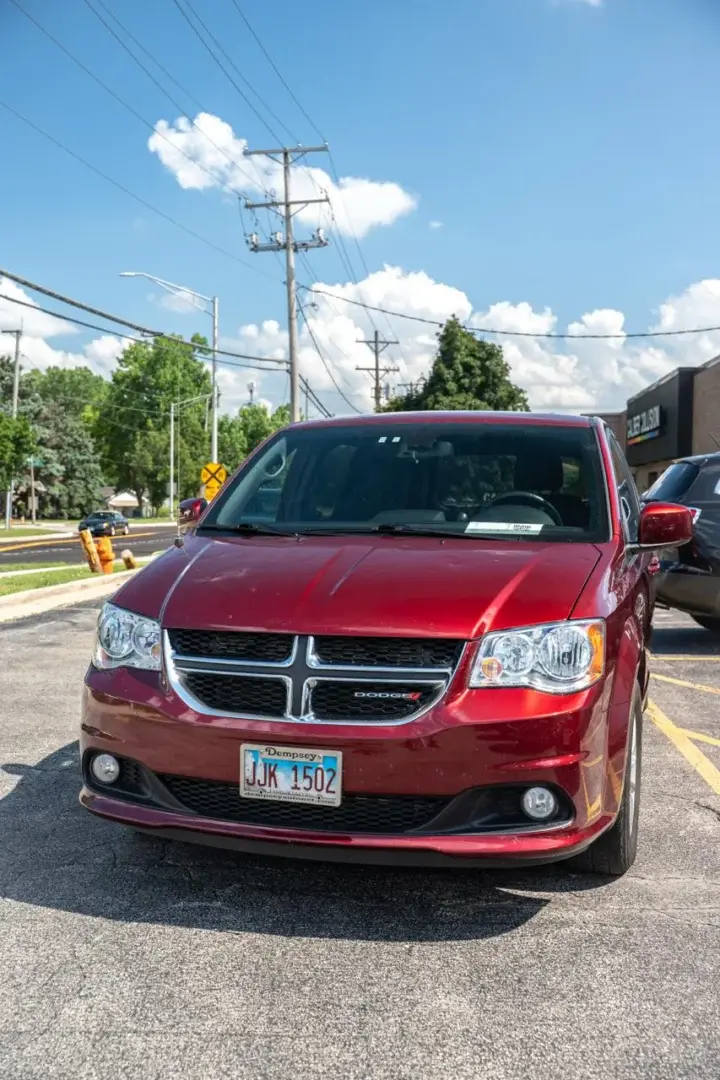
When paintless dent repair is usually the best option for hail dents
When the factory finish is still intact, paintless dent repair is often the preferred fix. It removes dents without sanding, fillers, or repainting, which means the original finish stays in place. That is a big reason PDR is commonly used for hail damage.
If you want a quick overview of the process, what paintless dent repair is and how it works explains why this method works so well on many storm-damaged vehicles. It is especially useful for hoods, roofs, trunks, and upper door sections where hail tends to strike.
Speed is another reason not to wait around. Once storm season ramps up, the best schedule openings can disappear quickly. If you are wondering what the repair window might look like, how long paintless dent repair takes gives a helpful frame of reference.
Paintless dent repair is usually the best fit when:
- The paint surface is intact
- The dents are accessible from behind the panel
- There are many small to medium dents
- The panel is not sharply torn or deeply creased at the edge
When hail damage becomes urgent instead of cosmetic
The line between cosmetic and urgent damage is pretty clear in two cases: broken glass and broken paint.
A cracked windshield, chipped windshield edge, or shattered sunroof should move to the top of the list. Beyond visibility, the issue is safety. Modern windshields do more than block wind and rain. They are part of the vehicle structure, and many newer cars place cameras and sensors near the glass. If hail hits that area, the repair may involve more than just replacing glass.
Chipped paint matters too. Once hail breaks through the finish, moisture can reach bare metal. That is where rust developing becomes a real concern, especially if the car sits outside. A repair that might have started as localized dent work can turn into refinishing or more involved body repair if corrosion starts.
There is also an insurance angle here. The longer you wait, the easier it becomes for new scratches, fresh door dings, later storm damage, or rust to muddy the file. That is where pre-existing damage questions can show up.
Insurance claim timing for hail damage
If you think you may use insurance, report hail damage as soon as possible. That message is consistent across insurer guidance. Early reporting helps tie the damage to a known storm event and gives you a cleaner paper trail from the beginning.
You do not need to know every repair detail before making that first call. In many cases, the next step is simply an inspection and estimate. Shops that handle storm damage often help drivers organize photos, write estimates, and keep the process moving. This overview of insurance claim assistance for hail damage repair covers what that support can look like.
If you are unsure whether the marks came from hail, a professional inspection still helps. Hail damage usually appears in clusters across horizontal and upper panels, while everyday dents often show up on doors and lower body sections from parking lot contact.
A few claim details matter more than people expect:
- Storm date: Try to narrow down when the vehicle was exposed
- Damage photos: Take them before washing, polishing, or attempting DIY fixes
- Inspection notes: Keep written estimates and adjuster communication
- Repair timing: Book the work before later damage blurs the record
Hail damage inspection in Naperville, Glen Ellyn, and Downers Grove
Storm damage is a local problem, and quick access to an inspection matters. Drivers in the western suburbs can use the location pages for Naperville, Glen Ellyn, and Downers Grove to find the most convenient shop for a hail estimate or repair plan.
That local timing matters because Illinois storms can move fast and repeat within the same season. Keeping an eye on alerts from the National Weather Service can help you reduce added exposure after the first storm. If your vehicle already has hail dents, getting it documented before the next round of severe weather is a smart move.
Can you wait if the hail dents seem minor?
Sometimes, yes, but not for long.
If the paint is intact and the only issue is cosmetic denting, the car may still be safe to drive while you arrange an inspection and repair. That said, “safe to drive” is not the same as “good to postpone for months.” Waiting can limit scheduling options, complicate your claim timeline, and make it harder to separate storm damage from later wear.
This is especially true if the car is leased, recently purchased, or likely to be sold in the near future. Dents on visible panels tend to stand out during trade-in and lease-return appraisals. Even when the damage is cosmetic, it rarely gets less noticeable with time.
What a fast hail inspection can save you
A quick inspection can save more than repair time. It can protect your claim record, help you keep the factory finish when PDR is still an option, and catch paint or glass issues before they spread.
That is why the best answer is usually straightforward: have hail damage inspected right away, report it soon if insurance may be involved, and move even faster when paint has been broken or glass has cracked. When the surface finish is intact, paintless dent repair is often the cleanest fix. When it is not, speed matters even more.